Skip to content
BurksUP Design

Case № 11

Real taste.

An internationally distributed food and lifestyle network rebuilt as a recipe-first publishing platform that holds up under thousands of recipe pages, ad-supported revenue, and a global mobile audience.

Client Gusto TV
Industry Media & Lifestyle
Role Digital Branding, User Experience Design
Live at gustotv.com
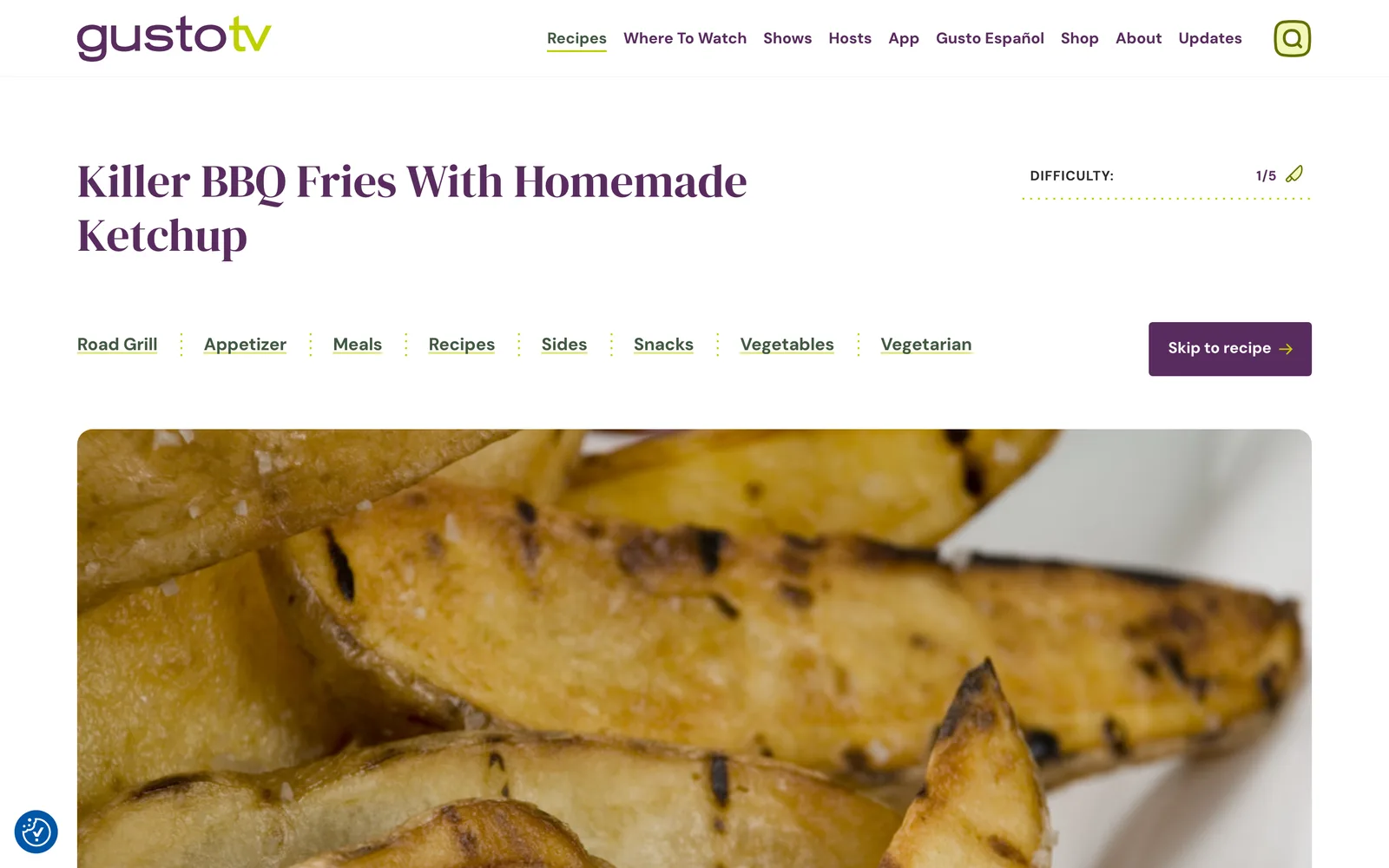
Gusto TV hero
In short

TV network website design.

Gusto TV is a globally distributed food and lifestyle television network. The chefs are world-class, the recipe library runs deep, and the audience is split between North America, Europe, and Asia. When Carrie Gillis, the Vice President at Gusto TV, brought me in, the network had outgrown its old site. Storytelling was thin, recipes were hard to find, search engines could not index the library properly, and the advertising side of the business needed a content platform that could actually serve revenue-generating placements without breaking the user experience.

I led digital branding, user experience, site structure, the responsive interface, the custom WordPress publishing platform, marketing automation integration, the private screening room used by the network's distribution team, and the technical search optimization woven into the build from day one. Every layer was designed to grow the brand, the audience, and the revenue at the same time.

This case study walks through the strategy, the moves, and the outcomes from a project that shipped on time, on budget, and (in Carrie's words) exceeded the loftiest goals the team set for the rebuild.

Global
Audience North America, Europe, Asia
Recipe
First template designed before the homepage
Custom
WordPress build marketing team runs it solo
Private
Screening room credentialed distribution access
01 / The Problem

What was broken.

Gusto TV had built a serious recipe library and a serious global audience, but the publishing platform under both was holding the brand back. The old site treated each recipe like a standalone page, with no real connection to the chef, the show, the cuisine, or the related dishes. Visitors arriving from a search engine landed on a single recipe and bounced. Visitors arriving from social landed on the homepage and got lost. The marketing team could not run a campaign without designer support, and the page-speed numbers were costing the network search-engine visibility on the very recipes that should have been bringing visitors in.

Carrie and her team set three priorities for the rebuild. The user experience had to make storytelling the centre of the brand, with the chefs and the shows leading visitors into the recipe library rather than the other way around. The technical search optimization had to be woven in from the first wireframe so the recipe library could be cited by search engines and recipe aggregators that drive organic discovery. And the advertising side of the business had to be a first-class citizen of the platform, with ad placements designed in rather than dropped on top, because pop-overs and intrusive units had been hurting both the user experience and the per-impression revenue numbers.

There was also a private screening room requirement. Distribution partners around the world needed a credentialed area of the site to preview new shows before air, and the marketing team needed to be able to grant and revoke access without involving an engineer. The screening room had to live inside the same publishing platform that runs the public site, not as a separate tool that someone else would eventually have to maintain.

02 / The Approach

How it got fixed.

I started where every editorial publishing project should start: with the recipe page, because the recipe is the atom of the entire site. I designed the recipe template first (storytelling lede, ingredients, method, chef bio, related shows, related recipes, advertising slots), nailed how it should perform on a mobile phone with a hand of butter on the screen, and then worked outward to the show page, the chef page, the homepage, and the navigation. The discipline of designing the smallest unit first is what kept the rebuild from drifting back into the program-guide pattern that the old site had fallen into.

From there I rebuilt the site structure around three primary visitor jobs. Watch a chef or a show, cook a recipe, learn what is on the network. Sponsor, press, and corporate pages sit behind those three. Every template I designed connects the storytelling layer (chefs, shows, episodes) to the utility layer (recipes, ingredients, methods) so visitors who arrive on a recipe page meet the brand, and visitors who arrive on a show page leave with a recipe. The internal linking pattern was specified at the wireframe stage, not bolted on later, which is why the search-engine indexability of the rebuilt library is what it is.

I then designed the responsive interface, locked the typography and the photographic treatment, integrated marketing automation so newsletter subscribers and contest entries flow into the marketing tools the team already uses, and built the custom WordPress publishing platform that the network has been running on ever since. The launch plan included a live demonstration of the publishing tools to the marketing team, recommendations on the search optimization workflow they should run after launch, and two months of post-launch monitoring while search engines re-indexed the rebuilt site.


01

Started the design with the recipe page, not the homepage

The recipe template is the atom of the site. I designed it first, including how it performs on a phone in a kitchen, before I touched the homepage. Every other template inherits decisions from the recipe page.

02

Rebuilt navigation around three visitor jobs

Watch a chef or show, cook a recipe, learn what is on the network. Everything else sits behind those three. Visitors arriving from a search engine land within one click of what they came for.

03

Wove technical search optimization into every template

Recipe schema, structured ingredient lists, descriptive URLs, per-page metadata, and an internal linking pattern that ties chefs to shows to recipes to ingredients. The library is now indexable in a way the old site could never be.

04

Designed advertising as a native part of the platform

Sponsor placements live in templates from the start, not as overlays on top. The result is a publishing platform the advertising side of the business can actually monetize without breaking the user experience.

05

Built a credentialed private screening room

Distribution partners get a credentialed area to preview new shows. The marketing team grants and revokes access from the same publishing tool they use to manage the rest of the site.

How it shipped

The work, step by step.

01

TV network website design that puts storytelling first

Most network websites are program guides with a brand applied on top. The Gusto TV rebuild flips that. The chefs and the shows are the brand, the recipes are the proof, and the program guide is a support layer. Every page in the publishing platform is built to deepen one of those three things, which is why a visitor who lands on a single recipe ends up at a chef bio, and a visitor who lands on a show page ends up cooking dinner.

02

Recipe-first user experience design for a culinary brand

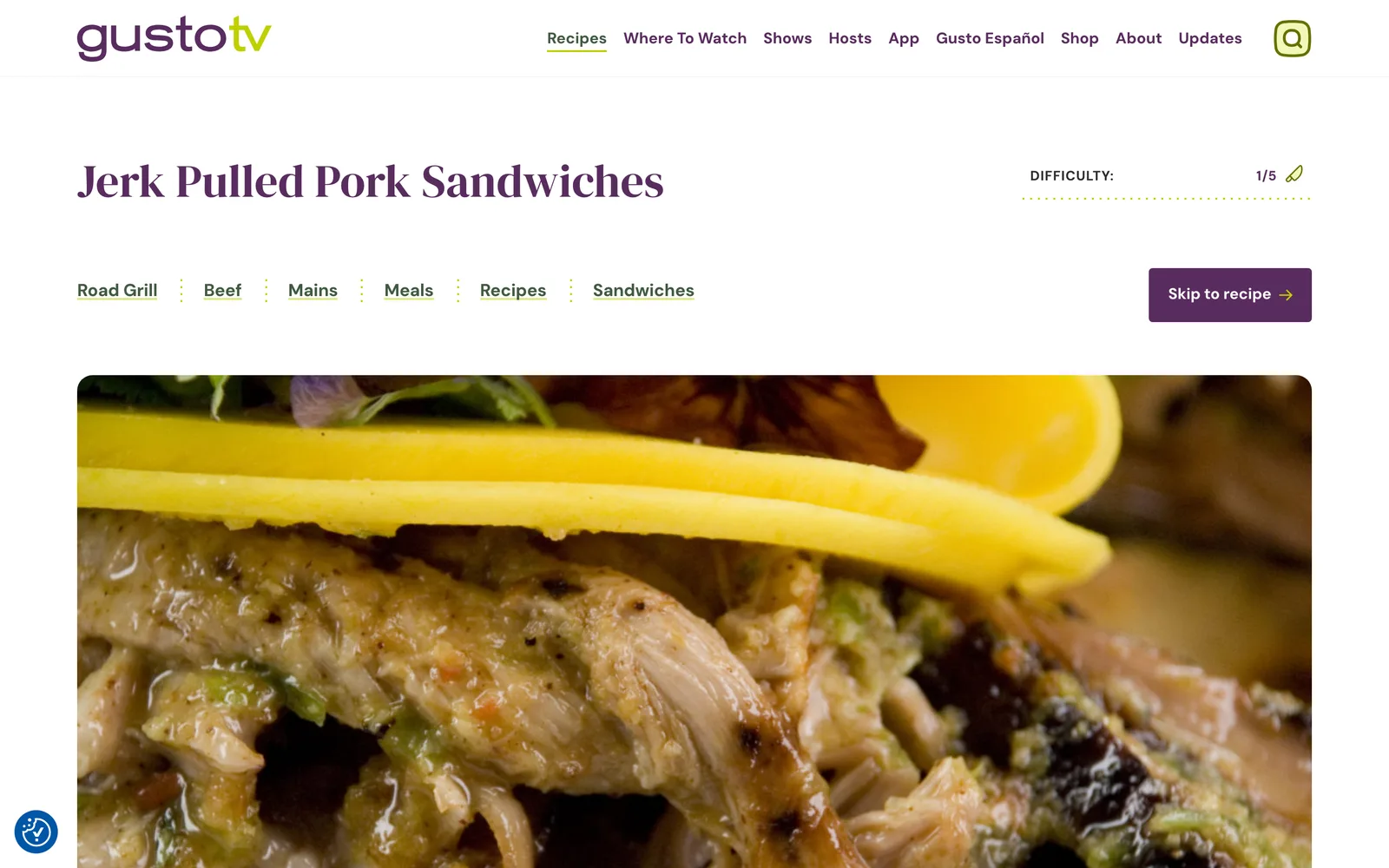
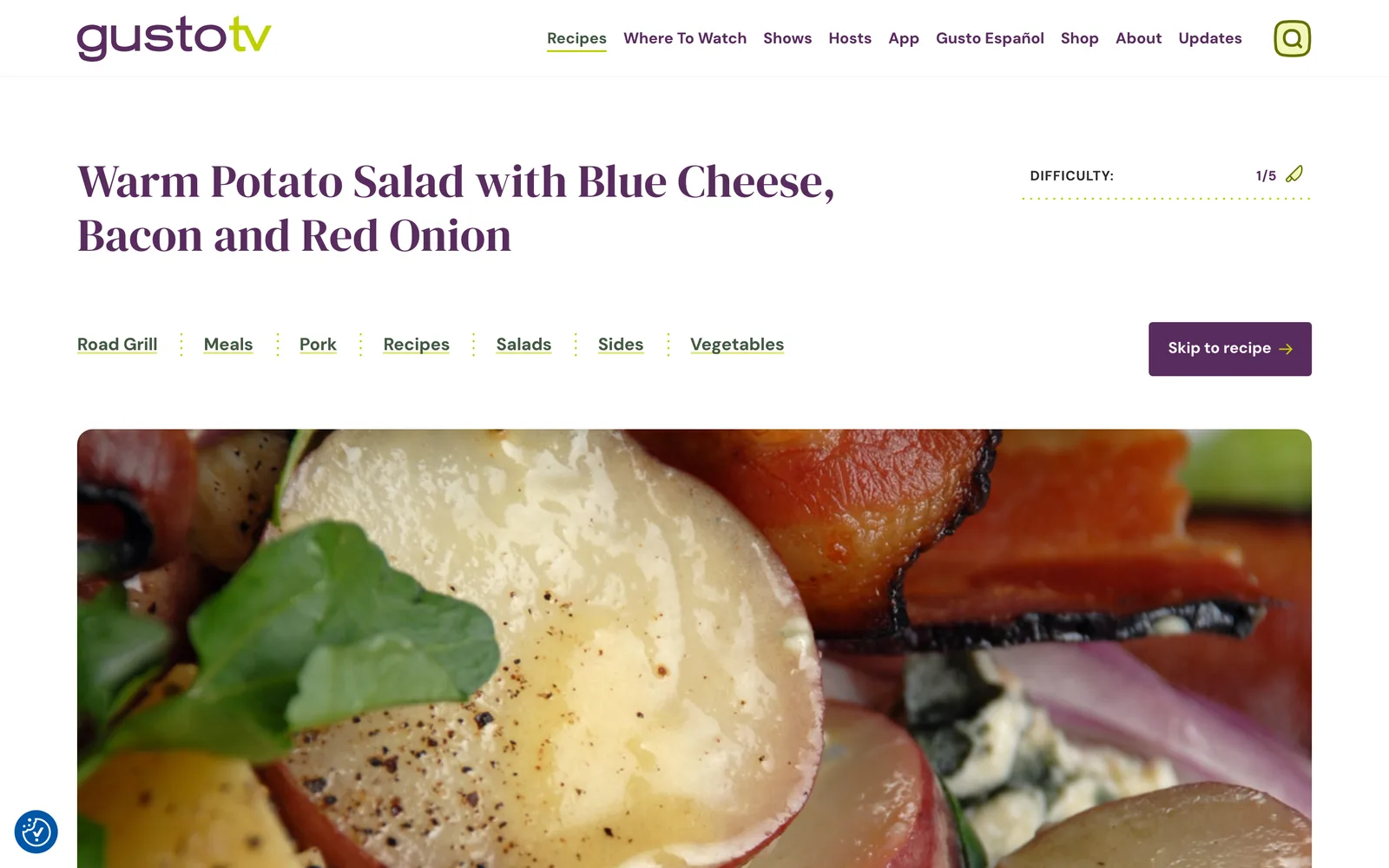
The recipe template is designed for the moment a visitor is actually cooking. Ingredients above method, large step type, a sticky scaling control, and a photographic treatment that holds up at small phone sizes. Storytelling sits at the top of the page so the visitor meets the chef before the work begins, and related recipes and shows sit at the bottom so the visit does not end at the last step.

03

Custom WordPress development for a global content network

I chose WordPress because the marketing team needed to publish recipes, shows, episodes, and news without involving a developer. The custom templates I built mirror the editorial model. One canonical chef record, one canonical show record, one canonical recipe record, and the public pages generate from those. Adding a new recipe means filling in one form, not building a page.

04

Search optimization for a recipe library at scale

A recipe library is a search optimization opportunity that rewards careful site structure. I shipped recipe schema, structured ingredient lists, descriptive URLs, internal linking from ingredient to recipe to chef to show, and per-page metadata. The result is a library search engines can cite and recipe aggregators can syndicate without manual cleanup.

05

Marketing automation and a private screening room for distribution partners

Newsletter sign-ups, contest entries, and lead forms route into the marketing automation the team already uses. The private screening room sits inside the same publishing tool, with credentialed access the marketing team grants and revokes without engineering support. Distribution partners preview new shows, the team controls the gate, and the publishing platform stays a single tool.

The Work, Specifically

What I actually shipped.

Not a services list. The real work streams, in the order I ran them.

  1. № 01

    Discovery and audience research

    Working sessions with Carrie and the Gusto TV team to nail audience segments, business goals, and the storytelling priorities that would lead the rebuild. The output was a brief every downstream decision tied back to.

  2. № 02

    Site structure and user experience

    I rebuilt navigation around watch a chef or show, cook a recipe, and learn what is on the network. The recipe template was designed first, then the show, the chef, and the homepage.

  3. № 03

    Digital brand and responsive interface

    Subtle brand evolution that honours the international tradition of the network, paired with a responsive interface designed mobile-first because the kitchen audience is mostly on a phone.

  4. № 04

    Custom WordPress publishing platform

    One canonical chef record, one canonical show record, one canonical recipe record. The public pages generate from those, which is why the marketing team has been running the site on their own ever since launch.

  5. № 05

    Search optimization and marketing automation

    Recipe schema, structured ingredient lists, descriptive URLs, per-page metadata, and integrations with the marketing automation the team already uses for newsletter sign-ups and contest entries.

  6. № 06

    Private screening room and team training

    A credentialed area for distribution partners to preview new shows, plus a hand-off training and post-launch support so the marketing team can manage every layer of the publishing platform without involving a developer.

03 / The Work

What shipped.

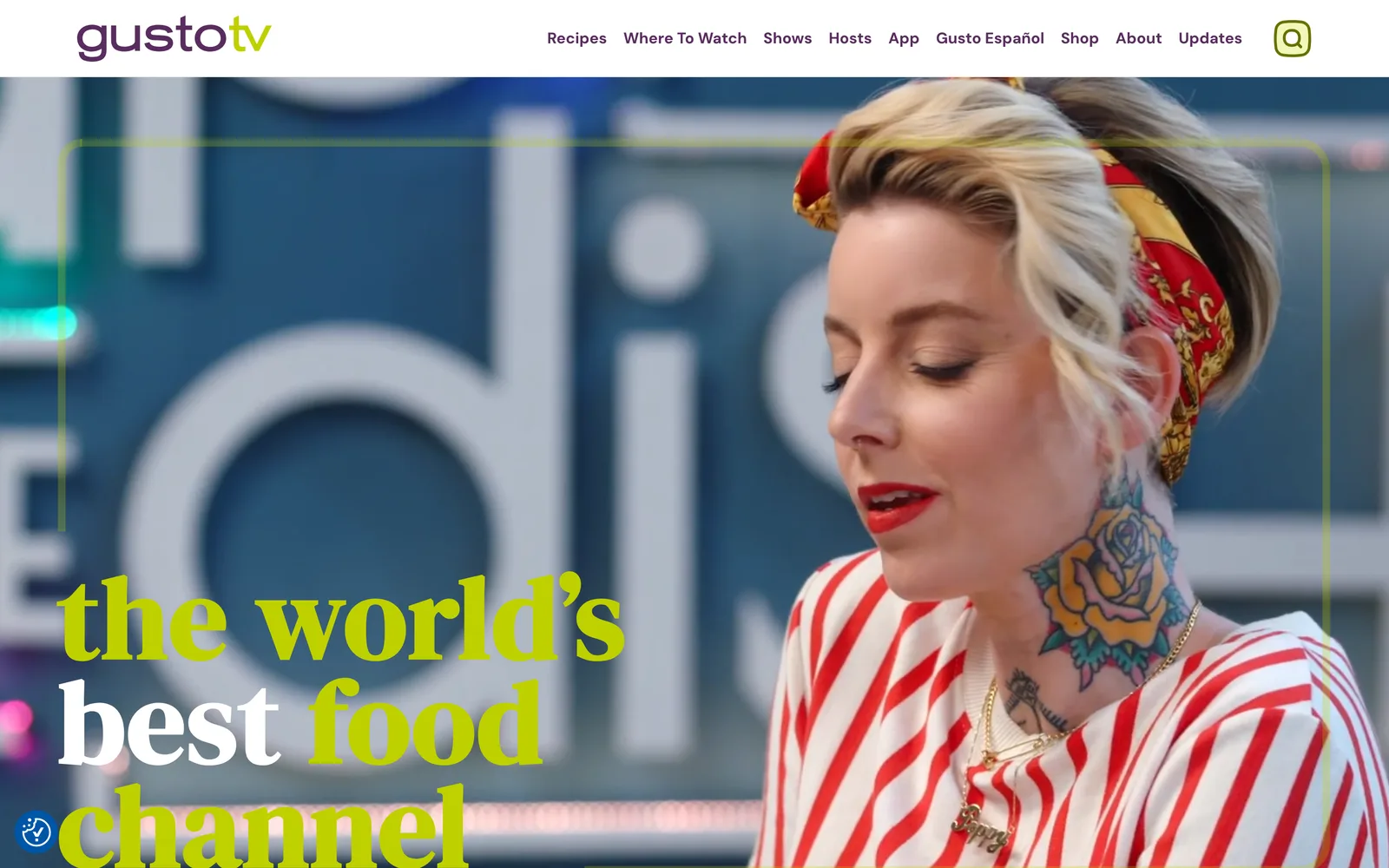
The Gusto TV homepage at full scroll.

The Gusto TV homepage at full scroll.

Gusto TV, Recipe-first user experience on mobile. (desktop)
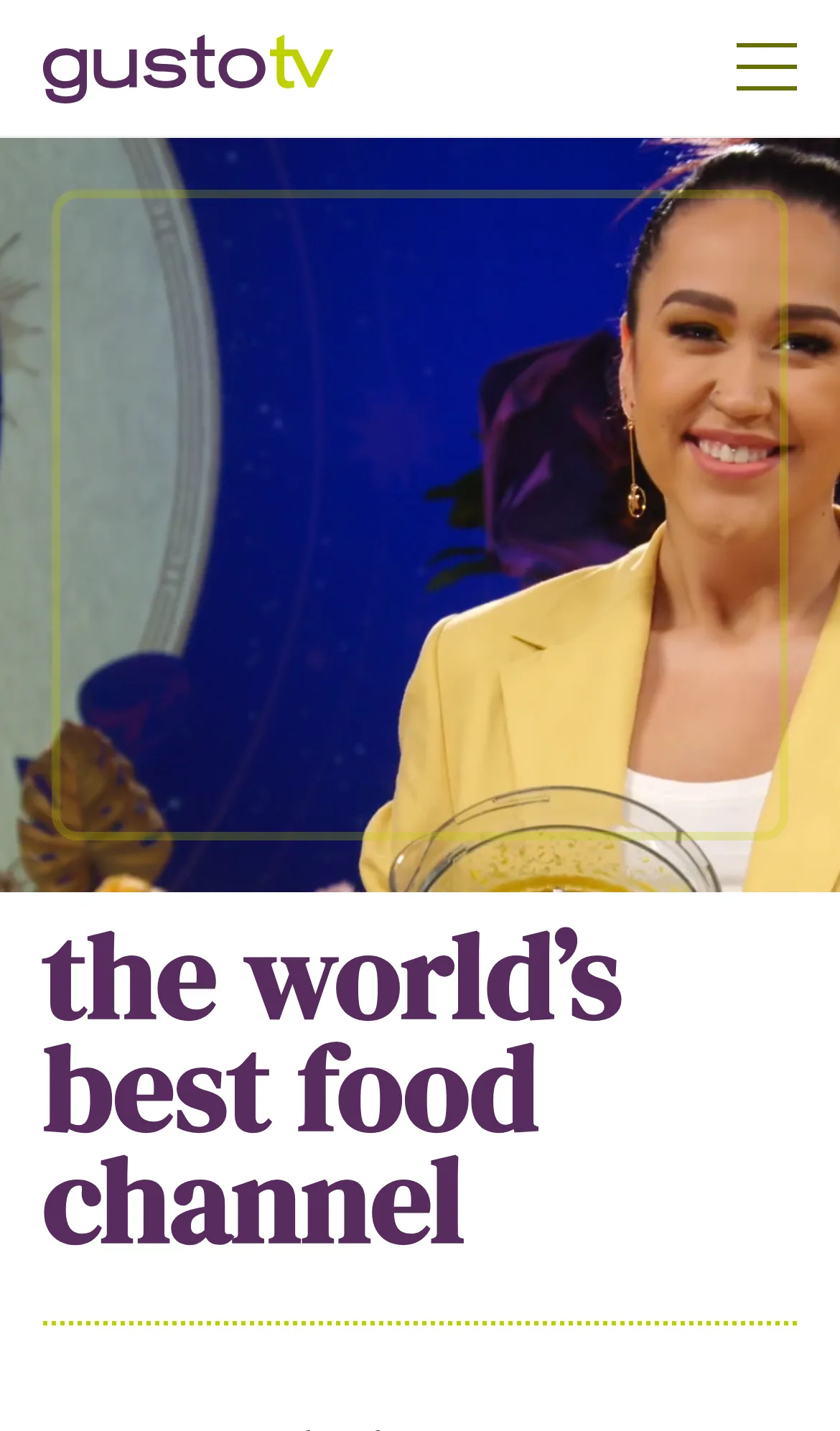
Gusto TV, Recipe-first user experience on mobile. (mobile)

Recipe-first user experience on mobile.

Gusto TV Gusto TV
Gusto TV Gusto TV
Gusto TV Gusto TV

Across the broadcast, the shows, the appetite.

Nick's patient and confident approach put our team at ease. What initially seemed a complex and daunting project quickly became engaging and rewarding as we bought into his web design process. The outcome of our collaborative work exceeded our loftiest goals for the new website and we're extremely proud of the digital platform we've created together to continue growing our brand.
Carrie Gillis Vice President, Gusto TV
04 / The Outcome

Where it landed.

The site launched and the analytics that came back at the half-year mark told the story I cared about. Time-on-site was up. Scroll depth was up. Page speed was up. Carrie described the project as exceeding the loftiest goals her team set for the rebuild. From my side, the outcome that mattered most is that the marketing team has been running the publishing platform on their own ever since launch, growing the brand without designer support and without rebuilding what we shipped together.

The deeper outcome is what the platform unlocks. The recipe library is now a search optimization asset rather than a liability. The advertising side of the business has a publishing platform it can monetize without breaking the user experience. The distribution team has a credentialed screening room sitting inside the same publishing tool the marketing team uses. And the storytelling that sits at the top of every page (chefs, shows, episodes) finally gives the brand the room it deserves.

The rebuild also set Gusto TV up for the next decade of growth. New chefs, new shows, and new recipes can be added without designer support. Marketing automation handles newsletter sign-ups and contest entries. Search engines can cite the recipe library at scale. And the publishing platform has the headroom to absorb the growth the network has been planning since before the project started.

The Role
Digital Branding User Experience Design Site Structure & Navigation Responsive Website Design Custom WordPress Development Marketing Automation Integration Search Optimization Art Direction & Consulting

Ready for your own case study?

Drop your URL. Nick will audit your site personally and build a live preview you can click through before you pay a dollar.

or write directly

Free, weekly

Site teardowns for home-service owners.

One real home-service site, broken down each week. What's leaking, what's working, the one fix that would matter most. Sent Mondays. Built for operators, not designers.

Built for home-service operators. Unsubscribe in one click.

See your free rebuild

No pressure. No upfront payment.